Former Vice President Dr Mahamudu Bawumia condemns tribal and religious bigotry in NPP’s flagbearer contest
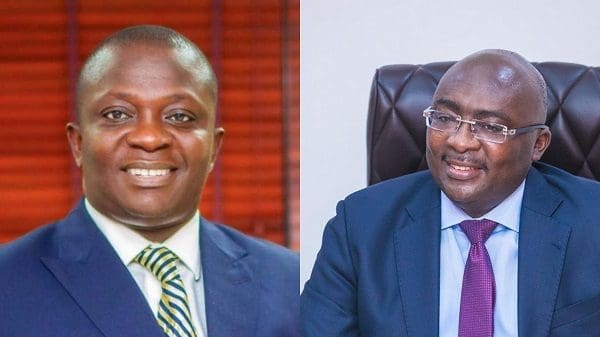
Former Vice President Dr Mahamudu Bawumia has strongly denounced what he describes as tribal and religious bigotry creeping into the New Patriotic Party’s internal contest to select a new flagbearer.
His comments come amid mounting criticism of fellow presidential aspirant Dr Bryan Acheampong over controversial remarks about tribal dynamics affecting the party’s 2024 electoral defeat.
Speaking at the party’s 33rd anniversary celebration in New York on Sunday, August 24, Bawumia expressed deep concern about the direction some candidates have taken in their campaign strategies. The former 2024 presidential candidate warned that such divisive rhetoric threatens the party’s unity and healing process following their electoral loss.
“As we go into the primaries, I am very concerned and troubled that some of our presidential aspirants have embarked on religious and tribal bigotry and propaganda against me,” Bawumia stated during his address to party faithful. He characterized these tactics as desperate attempts to win delegate votes while ignoring substantive analysis of the party’s 2024 defeat.
The controversy stems from comments made by Dr Bryan Acheampong on August 23, where he argued that the NPP’s 2024 defeat was largely due to “tribal dynamics” surrounding Dr Bawumia’s candidature. Acheampong, the Member of Parliament for Abetifi and former Agriculture Minister, suggested that tribal considerations in northern Ghana contributed to the party’s electoral performance.
Bawumia directly challenged these assertions, questioning the factual basis for claims about his tribal background affecting electoral outcomes. The former Vice President described Acheampong’s comments as “tribal bigotry” and “unfortunate,” while demanding that aspirants present substantive policy alternatives instead.
The remarks have drawn widespread condemnation on social media, with many Ghanaians criticizing what they perceive as divisive tribal politics entering the party’s internal democracy. Party officials, including the NPP Northern Regional Secretary, have also expressed disappointment with the tribal undertones in campaign messaging.
The former Vice President challenged his competitors to focus on vision, ideas, and track records rather than ethnic considerations. He argued that such approaches contradict the NPP’s historical identity as a party that embraces all Ghanaians regardless of ethnic or religious background.
“The NPP has always been the party that embraces all Ghanaians, regardless of where they come from or what religion they practise. That is our heritage and our strength,” Bawumia emphasized, warning that succumbing to tribal or religious bigotry could endanger the party’s survival.
The controversy highlights tensions within the NPP as various factions position themselves for the upcoming flagbearer contest. Several presidential aspirants are expected to contest for the party’s leadership, with the winner tasked with rebuilding the party ahead of the 2028 general elections.
Bawumia’s response reflects broader concerns about ethnic politics in Ghana’s democracy, where tribal considerations have historically influenced electoral outcomes in certain regions. Political analysts have long warned against the dangers of ethnic mobilization in campaign strategies.
The former Vice President called for unity within the party ranks, arguing that healing from the 2024 electoral setback requires focusing on policy substance rather than divisive identity politics. “The NPP will always triumph over tribal and religious bigots. With unity and consistency, we can regain the trust of Ghanaians and return to government,” he declared.
The NPP’s flagbearer contest is expected to attract significant attention as the party seeks to rebuild its brand and reconnect with voters ahead of the 2028 elections. The outcome of this internal debate about campaign tactics could influence the party’s broader electoral strategy and messaging.
Party leadership has yet to respond formally to the controversy, though various regional officials have expressed concerns about the tribal undertones emerging in campaign discourse. The National Executive Committee faces pressure to address these issues before they further divide party unity.
As the contest intensifies, observers will monitor whether candidates heed Bawumia’s call for issue-based campaigning or continue with identity-focused political strategies that risk fragmenting the party’s coalition.