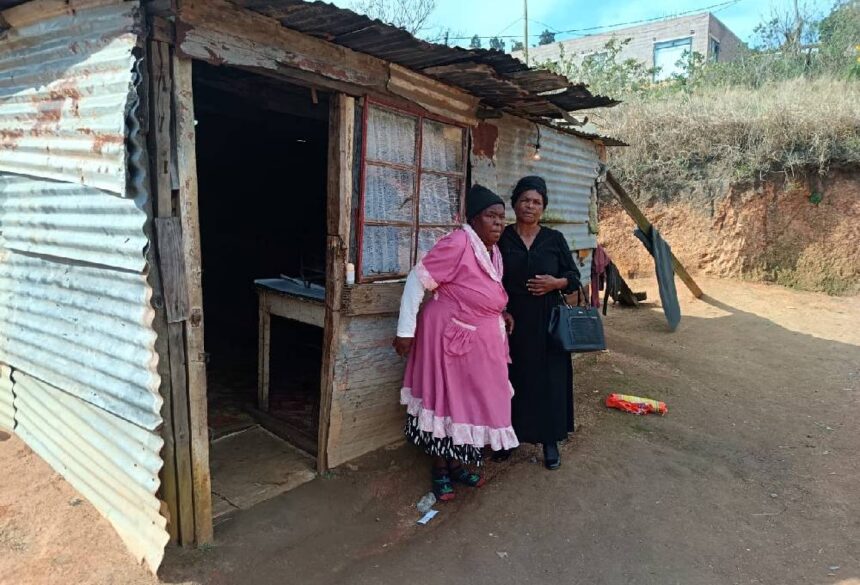
A family of 12, led by Noxolo Mthembu, has been facing immense challenges since losing their home during the 2022 floods in Inchanga, north of Durban. Living in a makeshift shack, the family has been struggling without access to basic health and social services due to the loss of their belongings, including vital documents like identity cards and clinic cards.
Mthembu, a 68-year-old woman, expressed her concerns about the well-being of her nine children, aged between four and 17, who are not receiving any government grants due to the lack of birth certificates. This has had severe consequences on their health, with some children missing out on essential medications and vaccinations, putting them at risk of preventable diseases.
Local health worker Grace Ndlovu has been assisting the family, highlighting the urgent public health implications of the situation. Despite efforts to seek help from authorities, including the Department of Social Development, the family has received limited assistance, leaving them in dire circumstances.
In response to the family’s plight, the Department of Social Development conducted an assessment and confirmed the challenging conditions the family is living in. They have initiated the process of obtaining birth certificates for the children and providing Social Relief of Distress. Plans are also underway to place the abandoned children in a care home and address the family’s housing needs.
The Department’s intervention comes after persistent efforts by concerned individuals like Ndlovu, who have been advocating for the family’s well-being. The community’s support and solidarity have been crucial in providing temporary shelter and basic necessities to the Mthembu family during this difficult time.
The case of the Mthembu family serves as a reminder of the importance of timely and efficient government intervention in addressing the needs of vulnerable families facing crises. By working together and leveraging resources, we can make a meaningful difference in the lives of those most in need. Recent studies have shown that spending time in nature can have a multitude of benefits for both our physical and mental health. From reducing stress and anxiety to improving mood and boosting creativity, the great outdoors has a lot to offer.
One study conducted by researchers at the University of Michigan found that spending just 20 minutes in nature can significantly lower levels of cortisol, a stress hormone, in the body. This reduction in stress can have a cascading effect on our overall well-being, leading to better sleep, improved immune function, and a decreased risk of chronic diseases.
In addition to reducing stress, spending time in nature has also been linked to improvements in mood and mental health. A study published in the journal Environmental Science & Technology found that spending time in green spaces can lead to a decrease in symptoms of depression and anxiety. Being surrounded by nature can help to calm the mind, improve focus, and increase feelings of happiness and contentment.
But the benefits of nature don’t stop there. Research has also shown that spending time outdoors can boost creativity and cognitive function. A study published in the Journal of Experimental Psychology found that participants who spent time walking in nature performed better on creative problem-solving tasks than those who walked in an urban environment. The sights, sounds, and smells of nature can stimulate the brain in unique ways, leading to increased mental clarity and innovative thinking.
So, whether it’s taking a hike in the woods, lounging in a park, or simply sitting in your backyard, make sure to carve out some time to connect with nature. Your body and mind will thank you for it.