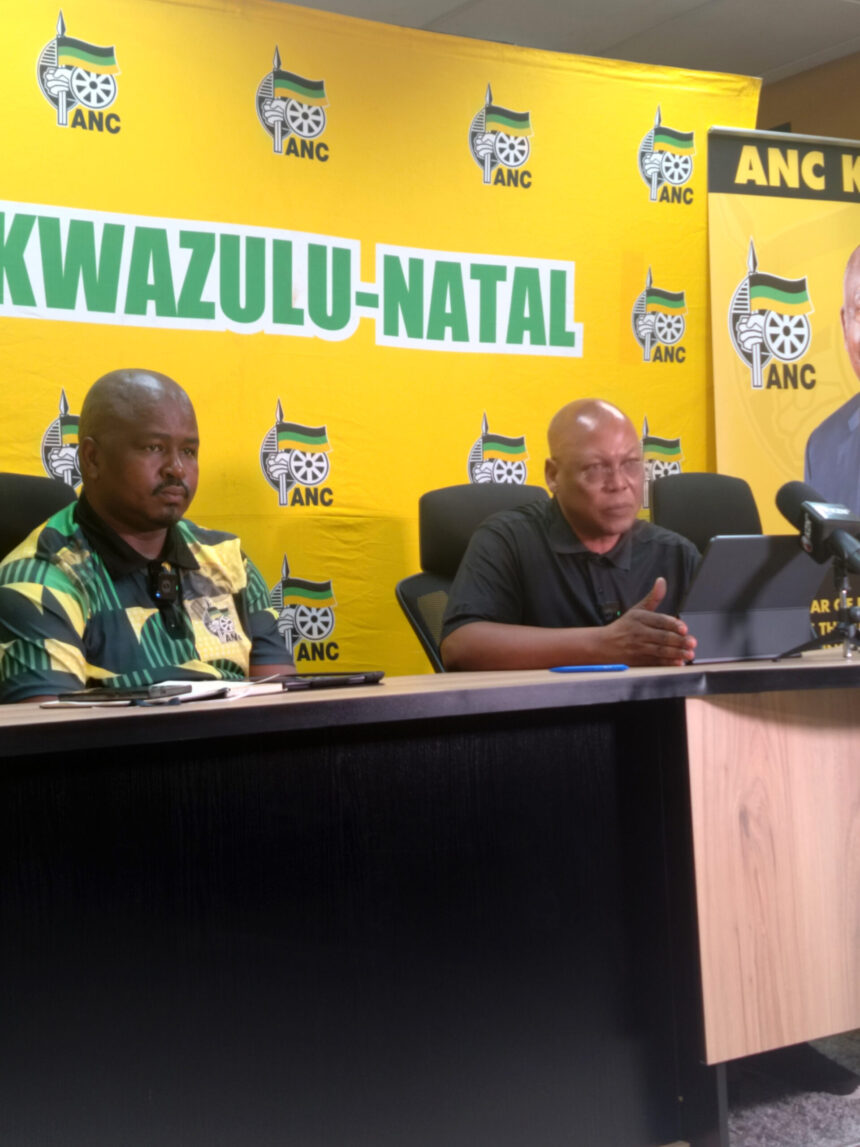
The political landscape in KwaZulu-Natal is heating up as tensions between coalition partners continue to rise. The ANC, IFP, and DA are at loggerheads, with the ANC refusing to be bullied by its partners.
The province, which is the second-largest in terms of vote share, has been governed by a coalition of parties since the last general elections. The ANC, IFP, DA, and NFP joined forces to oust former president Jacob Zuma’s MK party, which had gained significant support in the province.
The latest spat between the coalition partners stems from accusations of corruption and malfeasance within the provincial government. The DA’s Francois Rodgers, the finance MEC, has threatened to place the department of transport and human settlements under technical administration due to alleged financial irregularities.
The ANC has hit back, accusing the DA of targeting its departments unfairly. Mike Mabuyakhulu, the ANC’s provincial task team coordinator, has called out the DA for its actions, stating that the coalition partners should respect each other and not use their positions to attack one another.
The DA, on the other hand, has defended its actions, claiming that it is simply enforcing compliance with legislation and ensuring accountability in government spending. The party has criticized the ANC for failing to manage its departments effectively and for using public funds for political gain.
The ANC has also raised concerns about the IFP’s Thulasizwe Buthelezi, MEC for cooperative governance and traditional affairs, for placing the uMkhanyakude district municipality under administration. The move has disrupted service delivery in the area, with some communities experiencing water shortages.
The ongoing conflicts between the coalition partners have raised questions about the future of governance in KwaZulu-Natal. As the political infighting continues, it remains to be seen whether the ANC, IFP, and DA can put aside their differences and work together for the good of the province.